NVIDIA’s RTX 3060 Relaunch Has Gone Off the Rails
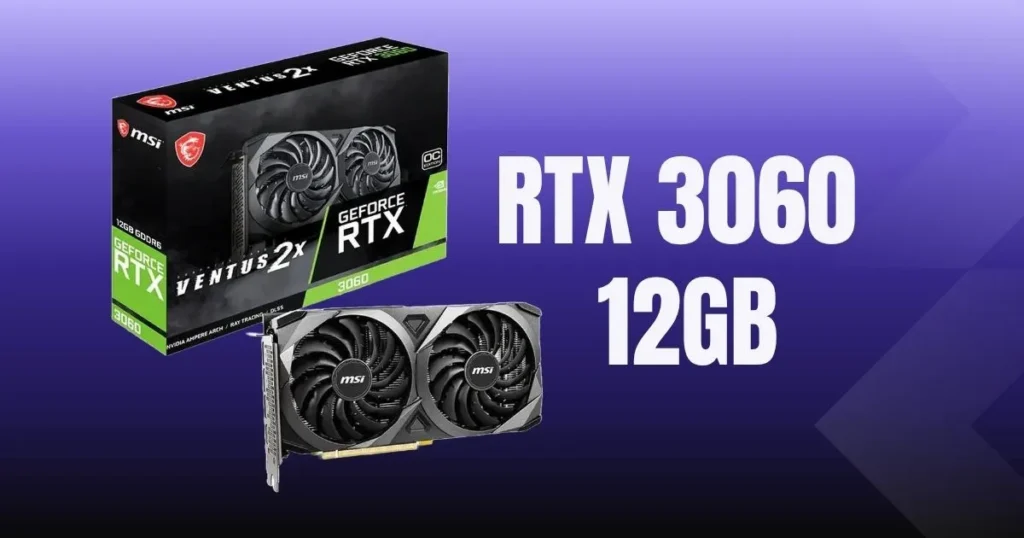
When NVIDIA brought the GeForce RTX 3060 12GB back from the dead in mid-2026, the move seemed like a lifeline for budget-conscious gamers. An older card with a generous 12GB frame buffer at a reasonable price? What could go wrong?
As it turns out, plenty.
Less than two months after its return, the revived Ampere card has seen its price skyrocket, completely undermining its value proposition and leaving it in a bizarre position compared to newer, faster alternatives.
A $150 Price Hike in Two Months
The clearest example of this price surge can be seen on Newegg. In early July, the MSI Ventus 2X GeForce RTX 3060 12G OC was listed for $329.99 —a price that matched its original 2021 MSRP.
Fast forward to late August, and the same card is now listed at $479.99. That represents a $150 increase, or roughly a 45% price hike, in under two months.
Other new RTX 3060 12GB models from ASUS and GIGABYTE have also climbed well above the $400 mark.
More Expensive Than a Faster, Newer Card
The price situation becomes even more absurd when compared to NVIDIA’s own current-generation offerings. Newegg currently lists the GIGABYTE GeForce RTX 5050 Low Profile at $299.99.
This means the revived RTX 3060 costs roughly 60% more than the newer Blackwell-based RTX 5050.
The European Market Tells a Similar Story
The trend is not limited to the US. In Germany, the ASUS Dual RTX 3060 OC V2 has climbed from €333.64 in late June to around €379 currently—a roughly 14% increase.
Meanwhile, the PNY GeForce RTX 5050 Single Fan starts at €299.99, making the RTX 3060 about 26% more expensive in Europe as well.
- MSI Ventus GeForce RTX 3060 12GB – Newegg
- GIGABYTE RTX 5050 8GB GDDR6 – Newegg
- MSI Ventus GeForce RTX 3060 12GB – Amazon
- GIGABYTE RTX 5050 8GB GDDR6 – Amazon
More VRAM, But Slower in Games
The RTX 3060’s sole remaining advantage is its 12GB of GDDR6 memory, compared to the RTX 5050’s 8GB.
However, that extra VRAM doesn’t translate into better gaming performance. According to ComputerBase’s 1080p rasterization tests, the RTX 5050 averaged 69.0 FPS, while the RTX 3060 managed just 57.2 FPS —making the newer card roughly 21% faster.
The RTX 5050 also supports Blackwell-exclusive features like Multi Frame Generation, while the Ampere-based RTX 3060 is limited to older capabilities.
What Went Wrong?
The relaunch was meant to provide another 12GB option in the entry-level market, but any pricing benefit appears to have lasted no more than two months. The price surge is likely driven by the same factors affecting the broader GPU market: rising memory costs, ongoing supply constraints, and relentless demand from AI data centers.
Also, Read
- AMD Confirms Radeon RX 9050 4GB Specs: 64-bit and 16MB Infinity Cache
- 10 Years Ago, AMD Demonstrated Zen Performance Against Intel—and Changed the CPU Market Forever
- Noctua Says No to RGB, Screens, and White Coolers: Engineering Resources Go Elsewhere
For gamers, the RTX 3060’s return has done little to improve the entry-level GPU landscape. Unless you absolutely need 12GB of VRAM for a specific use case, there is little reason to pay more for a five-year-old card that is slower and lacks modern features.