A Routine Firmware Update Turns Into a Nightmare
Last month, we reported that ASRock had released new VBIOS updates for ten Radeon RX 7000 graphics cards. The updates appeared on October 29 as part of a wider rollout of security-related firmware from AMD’s board partners. Unfortunately, several owners now report that installing the official update has left their RX 7900 XT and RX 7900 XTX graphics cards unusable.
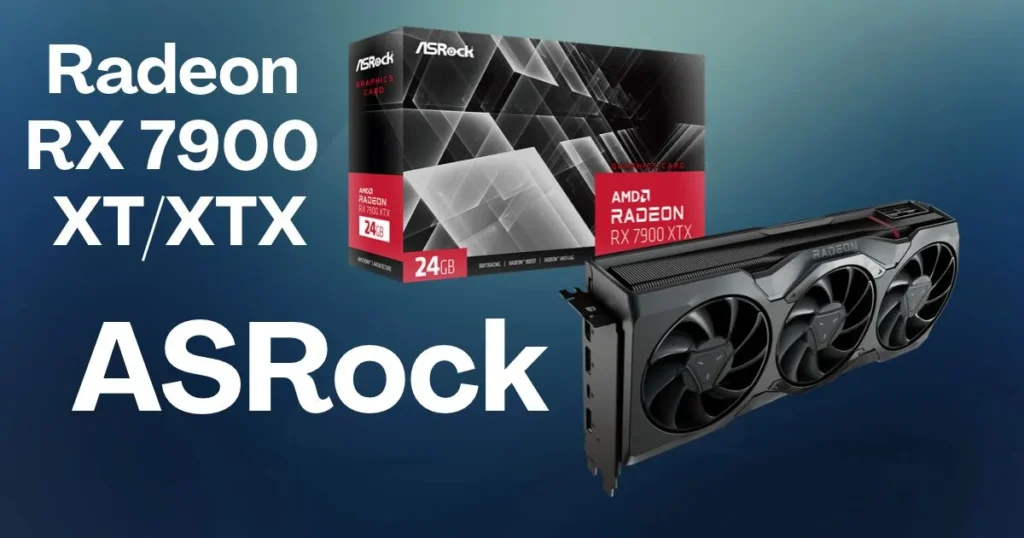
A VideoCardz reader using the nickname MO contacted us after experiencing the problem with his Radeon RX 7900 XTX Phantom Gaming. According to his account, he followed ASRock’s instructions and ran the ASRVBFlash 1.0.5 utility. The tool started checking compatibility before automatically restarting Windows. After the restart, the system would no longer POST with the graphics card installed. Removing the GPU allowed the PC to boot normally.
Multiple Models Affected
The reader also started two Reddit threads where other owners have reported similar failures. The affected models reportedly include the RX 7900 XT Phantom Gaming, RX 7900 XTX Phantom Gaming, and RX 7900 XTX Taichi, including the White edition. Reports involve different motherboards from ASRock and MSI, suggesting the problem is not limited to one motherboard configuration. Several users describe the same sequence: the flashing utility starts, Windows restarts, and the system subsequently fails to boot with the GPU installed.
Recovery Is Possible, But Not Easy
There is some good news for affected owners. At least two Reddit users report successfully recovering their RX 7900 XTX Phantom Gaming cards using external EEPROM programmers. One used a T48 USB programmer with a test clip to restore the VBIOS. Another confirmed that an EEPROM programmer brought his card back to working condition. While most people don’t have such equipment at home, this confirms that the cards can be repaired.
ASRock Removes Affected Downloads
Users also report that ASRock has removed the affected firmware downloads. The October 29 releases are still listed in the manufacturer’s BIOS update index, but several owners report receiving HTTP 404 errors when attempting to download the files. An FTP link still appears to work for some, but the situation is inconsistent.
MO tells us that he escalated the issue to ASRock Europe and ASRock headquarters on November 5. One Reddit user in Japan reports receiving confirmation from ASRock support that the failure would be covered under warranty, but there is no public company-wide statement or official recovery procedure yet. This leaves questions about owners whose cards are outside warranty.
Also, Read
- Global Graphics Card Prices Rise 35% in Just Three Months, October Sees Another 10% Jump
- AMD Zen 6c Shows 16.5% Higher Single-Core Performance Than Zen 5 in Geekbench 7
- NVIDIA Confirms GeForce 621.01 Driver Bug Causing Video Freezes and Black Screens
What Owners Should Do
Until ASRock explains the failures and provides a corrected update, owners of affected models should avoid installing the October 29 firmware. If you have already installed it and your card is non-functional, contact ASRock support and inquire about warranty coverage. If your card is out of warranty, recovery may require an EEPROM programmer or a repair service.
This incident is a stark reminder that even official firmware updates can carry risks. For now, the safest course of action is to wait for ASRock to provide clear guidance and a fixed update before attempting any VBIOS changes.