AMD Radeon Prices May Climb Again in November
AMD is reportedly preparing another price increase for Radeon GPU and GDDR6 memory bundles supplied to graphics card manufacturers. According to a new report from the Board Channels forum, the company has already adjusted its supply prices in October and may introduce a further increase in November. The report claims that AMD is now reviewing its pricing on a quarterly basis to account for rising GPU and memory costs.
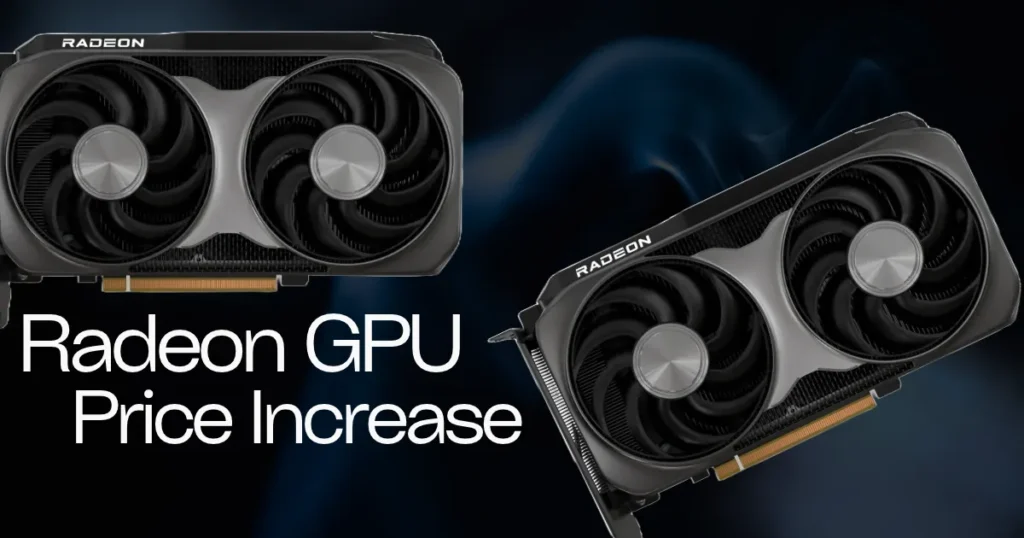
The latest information suggests that GDDR6 memory prices increased by approximately 8% to 10% during the third quarter of 2026. AMD is reportedly passing these higher costs to board partners through revised Radeon GPU and memory kit pricing. The company already increased its GDDR6 supply prices on October 1, according to an earlier report from the same forum. The size of the planned November adjustment is unknown, and AMD has not publicly confirmed the reported changes.
A Growing Trend Across the GPU Market
The reported price hike would add further pressure to a market that is already experiencing significant inflation. Yesterday, we reported that global graphics card prices had increased by approximately 35% over the past three months, based on retail pricing data collected by Hardware Unboxed across 10 countries. The latest monthly survey recorded a 10% average increase in October, excluding the GeForce RTX 5090.
AMD graphics cards have been affected as well. The Radeon RX 9060 XT 16GB increased by 17%, while the RX 9070 and RX 9070 XT both recorded 12% increases compared to September. These figures reflect actual retail prices rather than the supply costs paid by graphics card manufacturers.
What This Means for Radeon Buyers
The reported November adjustment could introduce further pricing pressure on Radeon RX 9000 series graphics cards, although any retail increase would depend on board partner pricing and existing inventory. If AMD raises its supply prices again, consumers should expect to see those costs passed on at retail—particularly for newly manufactured cards.
Also, Read
- NVIDIA “Unlaunches” GeForce RTX 5090 from Its Marketplace as Supply Dries Up
- NVIDIA GPU SPEEDO Values Now Available as ASIC Quality Percentages in HWiNFO
- Amazon Customer Reportedly Receives Ryzen 9 9950X3D2 with an Intel CPU Underneath
For anyone considering a Radeon GPU purchase, the message is clear: waiting for prices to fall may not be a winning strategy. The factors driving costs higher—memory shortages, AI demand, and constrained supply—show no signs of easing. If you need a card now, it may be better to buy sooner rather than later.
AMD has not commented on the reports, and the situation remains fluid. As always, treat pre-release pricing information with caution until official confirmation is available.
Source: Board Channels