RTX 5090 Gets More Expensive: NVIDIA Passes $300 GDDR7 Cost Hike to Partners
NVIDIA has informed its board partners about a cost increase for the GeForce RTX 5090 and the China‑exclusive RTX 5090D V2, according to reports from supply‑chain sources (Board Channels via Videocardz and TechPowerUp). The hike is tied directly to the soaring price of GDDR7 memory – not the GPU itself – and amounts to approximately $300 (around 2,000 RMB) per card for AIB partners.
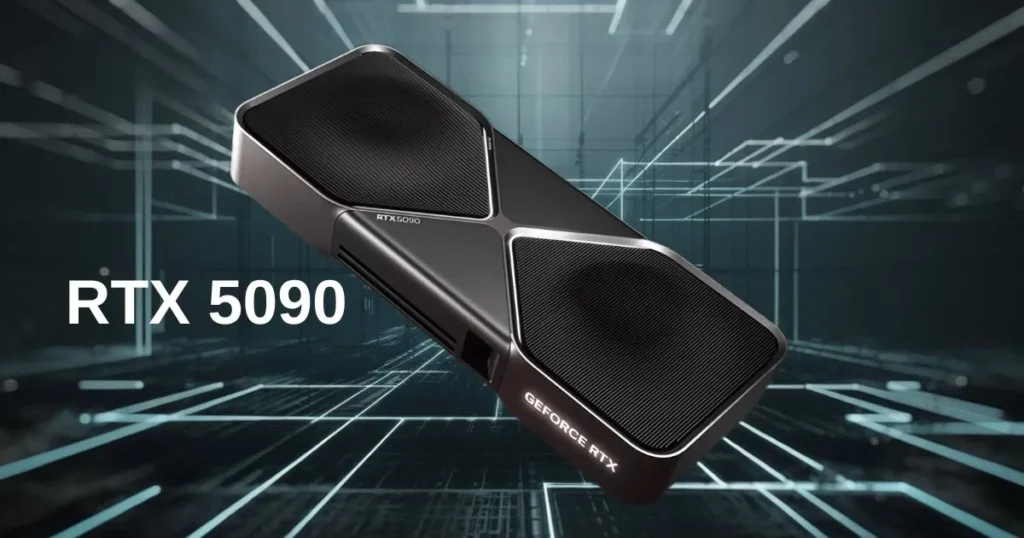
The increase took effect on May 13, 2026. NVIDIA has not changed the official suggested retail prices, which remain at $1,999 for the standard RTX 5090 and 16,499 RMB for the 5090D V2. However, industry observers expect the additional cost to quickly reach the retail channel, driving up consumer prices.
Why the RTX 5090?
The hike makes sense for the top‑end models. The RTX 5090 features 32 GB of GDDR7 across a 512‑bit interface, while the 5090D V2 uses 24 GB of GDDR7 on a 384‑bit bus. That’s more GDDR7 chips than any other RTX 50‑series card, meaning the memory cost increase hits these two models the hardest. For now, NVIDIA has not announced similar cost adjustments for the RTX 5080, RTX 5070 Ti, or RTX 5070.
What This Means for Retail Prices
Even before this hike, the RTX 5090 was often selling well above its $1,999 MSRP, with some listings already approaching $4,000 due to strong demand and limited supply. With the new $300 wholesale increase, analysts expect retail prices to move toward the $4,500 – $5,000 range in the near future. Custom designs are already selling for around $4,000, and the latest cost hike is likely to be passed directly to buyers.
Also, Read
- Exclusive: AMD Readies Radeon RX 9050 Desktop GPU With 8GB VRAM, Lower Clocks
- Palit Unveils RTX 5080 Infinity 3 Series With Sleek All‑Black Triple‑Fan Cooler
- AMD Radeon RX 9070 Returns Near MSRP With $554 Amazon Offer (But It’s Already Gone)
For buyers, the message is simple: the flagship RTX 5090 is becoming even more expensive, and the “official MSRP” is increasingly detached from real‑world pricing. Whether the hike will spread to other RTX 50‑series cards remains an open question, but for now, the pain is concentrated on NVIDIA’s most memory‑heavy consumer GPU.
Source: boardchannels