A Glimpse Into the Future of Mobile Computing
AMD’s next-generation mobile processors, codenamed “Medusa Point” and built on the highly anticipated Zen 6 architecture, have appeared again in the Geekbench database. This new leak paints a much more impressive picture than earlier sightings, suggesting a significant leap forward in performance per clock.
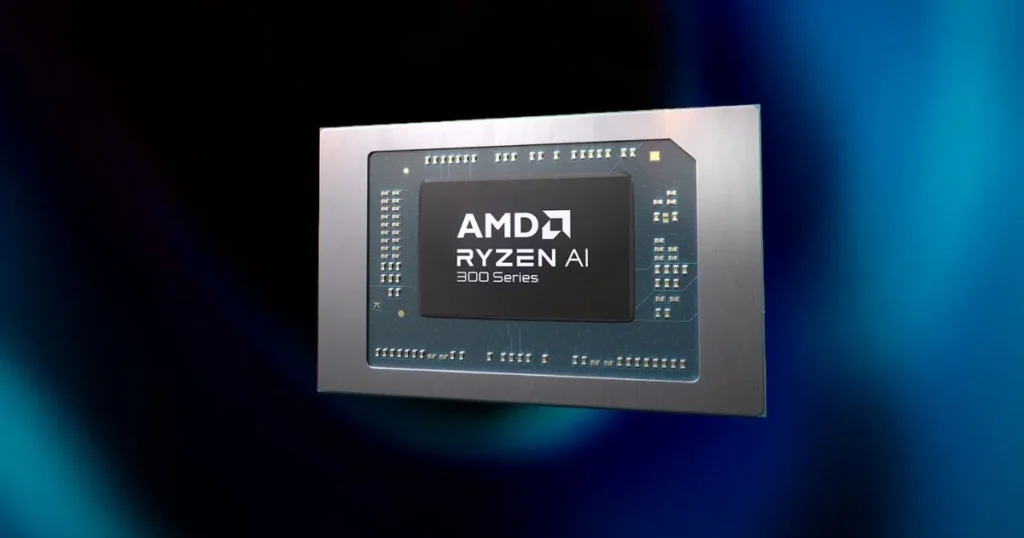
The entry, spotted by hardware leaker HXL, is listed under the test platform “AMD Plum-MDS1”. The processor, identified as an engineering sample with the code 100-000001713-33_N, features 10 cores and 20 threads. What’s truly remarkable is the performance it achieved despite a reported clock speed of just 2.0 GHz.
The Numbers That Matter
In Geekbench 6.6.0, the Medusa Point engineering sample scored an impressive 3,174 points in the single-core test and 15,092 points in the multi-core test. To put that in perspective, it’s approximately 29% faster in single-core and 22% faster in multi-core performance compared to the average scores of the current-generation Ryzen AI 9 365 (Strix Point).
Even more striking is the comparison to the flagship Ryzen AI 9 HX 370, which has 12 cores. The Zen 6 sample still managed to beat it by 22% in single-core and 13% in multi-core tests. This performance is being delivered at a fraction of the clock speed, as current Zen 5 chips typically boost well beyond 5.0 GHz.
What This Means for Performance
For context, the single-core score of 3,174 even surpasses the powerful Ryzen AI Max+ 395 from the Strix Halo lineup. It’s worth noting that the multi-core score is lower than the 16-core Strix Halo chip, as expected, but not as much as the core count difference would suggest.
While the reported 2.0 GHz clock speed is almost certainly inaccurate for early engineering samples—benchmark software often misreports these figures—it still highlights a massive increase in Instructions Per Clock (IPC) for the Zen 6 architecture.
Beyond Raw Speed: AI and Cache
The Geekbench entry also reveals support for new instructions that will be crucial for AI workloads. The chip supports AVX512-FP16 and AVX-VNNI, which are designed to accelerate machine learning inference and other math-heavy tasks directly on the CPU.
The cache configuration is listed as 10 MB of L2 cache and 32 MB of L3 cache. However, some sources suggest the L3 cache figure might be misreported. The core configuration is believed to follow a 4+6 layout, mixing four full-sized Zen 6 cores with six more efficient Zen 6c cores.
Also, Read
- ASUS ROG Astral RTX 5090 Edition 20 Hits €6,499 in France—And It’s Not Even the Most Expensive RTX 5090
- Samsung 990 PCIe 4.0 SSD Surfaces with Up to 7,250 MB/s Read Speed, Drops DRAM for Budget Positioning
- Intel Reportedly Restarts 13th and 14th Gen CPU Production for China DIY Market
The Road Ahead
The Medusa Point platform is expected to be AMD’s next-generation mobile APU family, targeting a launch window around CES 2027. There are also rumors of a flagship variant that could combine this 10-core APU die with a 12-core desktop CCD to create a 22-core notebook processor.
While this engineering sample is still an early work-in-progress, the results are a promising sign that Zen 6 will deliver a substantial generational leap. The numbers suggest AMD is on track to maintain its competitive edge in the mobile CPU market, offering significantly higher performance per watt and raw capability in the coming years.
source: geekbench