Intel Says It’s Listening: LGA-1954 Could Finally Break the Two-Generation Curse
For years, one of the most persistent criticisms leveled against Intel’s desktop platform strategy has been its short socket lifespan. While AMD’s AM4 socket famously supported five generations of Ryzen processors, Intel has typically limited its mainstream desktop sockets to just two generations—a practice that has frustrated enthusiasts looking for a clear upgrade path without a full motherboard replacement.
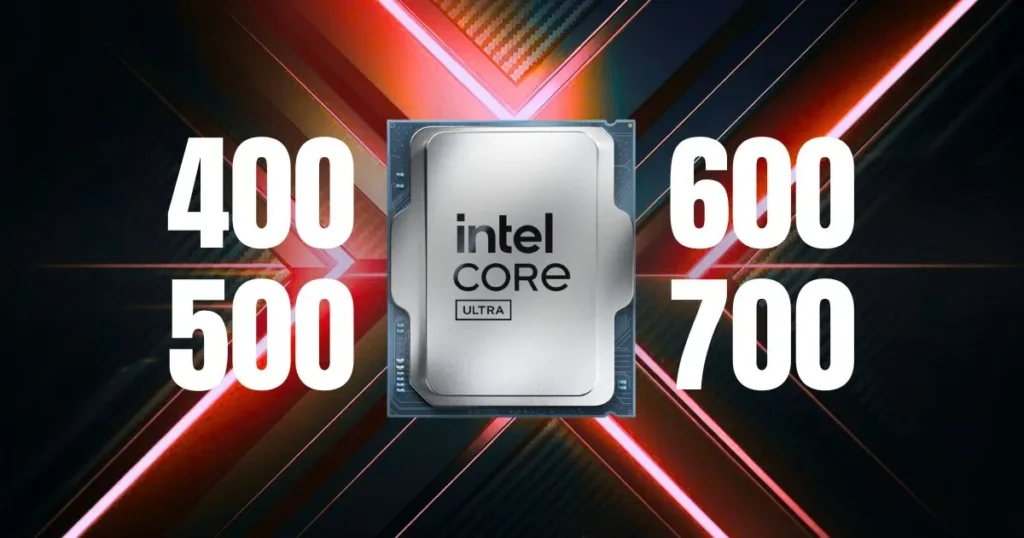
Now, there are signs that Intel may be preparing to change course.
In an interview with Club386, Intel Vice President and General Manager of the Enthusiast Channel, Robert Hallock, indicated that the company is listening closely to community feedback on socket longevity. When asked directly whether future Intel sockets could support more CPU generations, Hallock’s answer was brief but significant: “I do. That’s it – I do.”
A New Team, A New Philosophy
Hallock, a well-known figure in the PC enthusiast community from his years at AMD, emphasized that the team now driving Intel’s gaming CPU efforts is fundamentally different from the past.
“One thing I really would like users to understand is that I, my team, we are ourselves, first and foremost, PC builders and enthusiasts. Every single one of us has built their own PC, games on that PC. That was not always the case at Intel,” Hallock explained.
He noted that there is a “new product management team, a new business team, a new marketing team, a new engineering team” for these gaming CPUs. “We are not ignorant of the feedback that comes in about our products. We watch it very closely… some of that feedback we can act on in a six-month time span, a year-long time span, a three-year time span. But we are listening, and that feedback matters quite a lot.”
LGA-1954: The Next Platform
While Hallock did not mention any specific socket by name, the context of the conversation points to the upcoming LGA-1954 platform. This new socket has been rumored for months as the foundation for Intel’s next-generation Nova Lake-S desktop processors, expected to launch around 2027.
Cooling manufacturers like Noctua have already begun listing support for the LGA-1954 socket, signaling its impending arrival. According to platform leaks, LGA-1954 will be accompanied by a new 900-series chipset stack, including Z990, Z970, and B960 models.
Four Generations on One Socket?
The more intriguing aspect of the LGA-1954 rumors is the potential scope of its support. Speculation suggests the socket could accommodate not only Nova Lake but also its successors: Razer Lake, Titan Lake, and Hammer Lake. If accurate, that would represent a commitment to four CPU generations on a single socket—a radical departure from Intel’s recent history.
Intel’s LGA-1700 socket supported Alder Lake, Raptor Lake, and Raptor Lake Refresh (arguably two generations plus a refresh). LGA-1851 launched with Meteor Lake-S (which never reached desktop in volume) and Arrow Lake-S. A four-generation socket would bring Intel much closer to the platform longevity that AMD users have enjoyed with AM4 and now AM5.
Caveats and Caution
As with all pre-release information, caution is warranted. Intel’s roadmaps often include CPU generations that never reach the desktop market—the Core Ultra 100 “Meteor Lake-S” desktop series being a recent example. It remains possible that not all of the rumored four generations will ultimately ship.
Hallock himself framed the timeline for feedback-driven changes in terms of years: “a three-year time span.” This aligns with the idea that a socket designed for longevity would need to be architected with future compatibility in mind from the start.
Also, Read
- Intel Launches Core Ultra 7 270K Plus and Core Ultra 5 250K Plus, Drops Core Ultra 9 290K
- Intel Core Ultra 400 “Nova Lake-S” Desktop Reportedly Arrives at CES 2027 Alongside AMD Zen 6
- Intel Core X HEDT Returns – 52-Core Nova Lake-S Rumored to Demand New Socket and Beefier Motherboards
A Clear Signal
Whether LGA-1954 ultimately supports two, three, or four generations, Hallock’s public acknowledgment of the importance of socket longevity is itself a notable shift. For a company that has often treated platform continuity as a secondary concern, the signal that enthusiast feedback is “influencing how we think about our products and our roadmap” represents a meaningful change in tone.
For PC builders who have long wished for a single Intel motherboard that could carry them through multiple CPU upgrades, that wish may finally be coming true.
Source: club386