A new report from the supply chain suggests NVIDIA is making a significant strategic pivot for its ongoing RTX 50 series rollout. Due to persistently rising costs for memory chips, the company is allegedly shifting its production and shipment focus toward 8GB graphics card models, potentially at the expense of more VRAM-rich versions that gamers have been requesting.
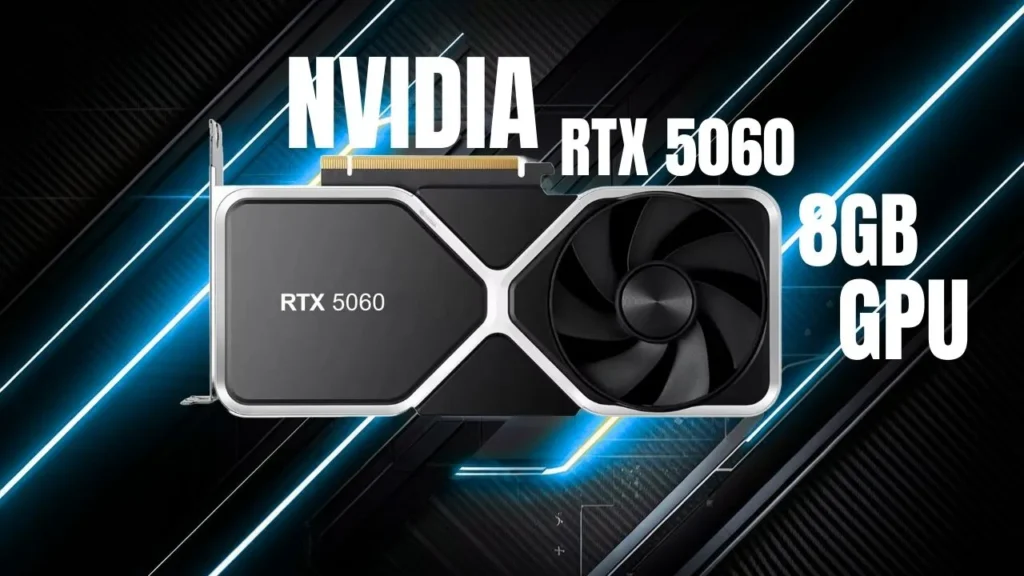
If accurate, this move signals that economic pressures in the semiconductor industry are directly influencing the product mix reaching consumers, prioritizing cost control over the trend of increasing video memory.
The Reported Pivot: Fewer High-VRAM Cards
According to a report from Board Channels in China, NVIDIA and its board partners are adjusting their 2026 supply plans. Shipments for models with higher memory capacity, specifically the GeForce RTX 5060 Ti 16GB and the GeForce RTX 5070 Ti, are being reduced.
Instead, production volume is being “re-centered” around more cost-sensitive models: the GeForce RTX 5060 and the GeForce RTX 5060 Ti with 8GB of VRAM. This aligns with anecdotal reports from retailers in Europe and Japan, where stock of the 16GB RTX 5060 Ti and higher-tier cards like the RTX 5080 has been consistently tight and difficult to keep on shelves.
The Driving Force: Soaring Memory Chip Costs
The primary reason cited for this shift is straightforward economics: the increasing cost of memory chips (VRAM). By focusing on 8GB configurations, NVIDIA and its partners can produce more graphics cards using less expensive memory per unit, helping to manage bill-of-materials costs amid industry-wide inflation for DRAM.
The report further warns that additional cost increases in the next quarter cannot be ruled out, suggesting pricing pressure could continue through the first half of 2026. This environment makes producing higher-margin, flagship cards like the RTX 5090 more challenging and reinforces a strategy that favors volume in the mid-range segment.
GPU Price right now
Implications for Gamers: A Step Back on VRAM?
This potential shift presents a dilemma for the market. For years, gamers and reviewers have advocated for more VRAM to handle high-resolution textures in modern games. A pivot toward 8GB models in the mid-range segment could be seen as a step backward, potentially limiting the longevity of new GPUs in 2026 and beyond.
Also, Read
- Intel’s Arc B770 Mystery – Driver Hints at GPU Intel Won’t Announce
- NVIDIA’s Next Move – GeForce RTX 60 Series to Reportedly Use Rubin Architecture
- AMD Unveils Ryzen 7 9850X3D – The New Gaming CPU Champion Arrives This Quarter
For consumers, it means that finding RTX 50 series cards with generous memory allocations (12GB or 16GB) might become even more difficult and expensive, effectively reserving high VRAM for the very top of the product stack. It underscores how broader supply chain economics, not just silicon design, ultimately shape the options available to PC builders.
Source: boardchannels, AMAZON