A new report has clarified NVIDIA’s complex strategy for managing the constrained supply of its GeForce RTX 50 series graphics cards. Contrary to earlier rumors of a broad shift toward 8GB models, the chipmaker is implementing a tiered allocation system that prioritizes the highest-priced and most profitable model within each memory capacity bracket.
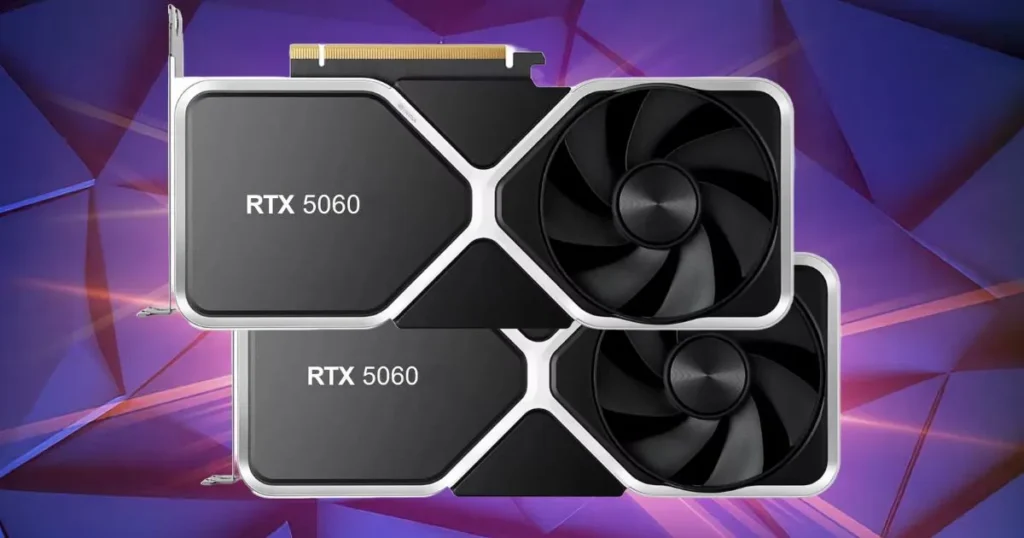
This approach, confirmed by board partners to HKEPC, is a direct response to the ongoing global memory chip shortage. It aims to maximize revenue per wafer while simplifying production, but it will significantly alter the mix of cards available to consumers, making some expected models much harder to find.
How the New Prioritization Scheme Works
The system is not based on the GPU chip itself, but on the amount of memory a card carries. Within each memory capacity tier, NVIDIA will prioritize manufacturing and allocation for the most expensive SKU.
For example, in the 16GB tier, which includes the RTX 50 supply priority is given to the flagship of that group: the RTX 5080. Consequently, allocation for the 16GB versions of the 5060 Ti and 5070 Ti is being reduced. This explains earlier rumors of a focus on 8GB models—the RTX 5060 Ti 8GB becomes the primary version of that chip, as its 16GB sibling is deprioritized.
GPU RTX 50 Series Price – AMAZON
The Business Logic: Maximizing Margin Amid Scarcity
This strategy makes clear business sense for NVIDIA and its partners. With a finite supply of memory chips, dedicating them to the highest-margin products within a category ensures the greatest possible profit per unit of constrained resource.
The report notes that the top-tier RTX 5090, 5090 D, and 5090 D V2 (with 24GB and 32GB) are not subject to this specific internal ranking, as they occupy unique, ultra-high-end tiers. However, their supply is still limited by the overall memory shortage. The mid-range RTX 5070, planned with 12GB, remains in a precarious, “undecided” position, as its unique memory configuration could see its allocation redirected to feed higher-tier cards.
Also, Read
- Micron Sparks Backlash, Claims Ending Crucial Brand Still “Helps Consumers”
- Intel Core Ultra 9 290K Plus Leaks in Benchmark, Showing Small Performance Uplift
- AMD Ryzen 9 PRO 9965X3D Spotted – A 16-Core Workstation CPU with 3D V-Cache Incoming
What This Means for Gamers and the Market
For consumers, this allocation plan paints a clear picture of the 2026 GPU market:
- High-End Availability: Enthusiasts willing to pay top dollar for the RTX 5080 and RTX 5090 will likely find these cards more readily available than lower-tier models with similar memory.
- Mid-Range Squeeze: The most popular price points will be dominated by 8GB variants like the RTX 5060 Ti 8GB. Finding a 16GB card in the mid-range will become increasingly difficult.
- Simplified Choices: NVIDIA is effectively streamlining its lineup, concentrating volume on a few key models (RTX 50 series) and making other configurations niche products.
This move reinforces a market split where premium buyers have access to plentiful VRAM, while mainstream buyers face tighter constraints, potentially impacting the longevity and performance of their systems in future games.
Source: hkepc (Facebook)