The already strained market for graphics cards is facing another wave of price inflation. According to multiple reports from the Taiwanese tech supply chain, both NVIDIA and AMD have officially increased the cost of their GPU-and-memory bundles sold to add-in-board (AIB) partners. While the official Manufacturer’s Suggested Retail Price (MSRP) for finished cards remains unchanged, this upstream cost hike is now being passed down the chain, with MSI reportedly leading a new round of distributor price increases for RTX 50 series cards.
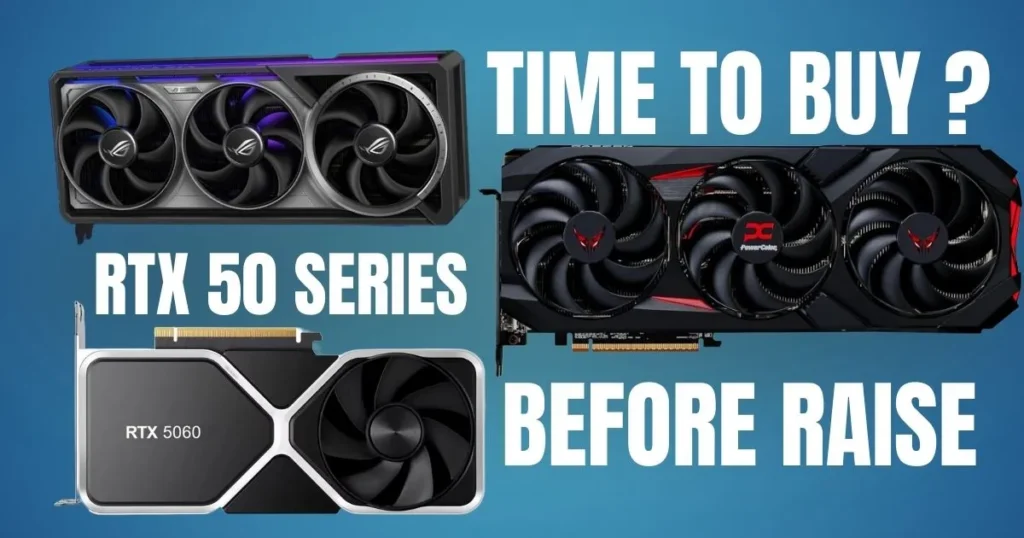
This move signals that the soaring cost of memory chips, a crisis affecting the entire PC industry, can no longer be absorbed by the supply chain and is set to directly impact consumers in the coming weeks.
The Source: More Expensive Memory Bundles from the Foundries
The initial increase comes from the very top. Industry publication BenchLife reports that on January 16, NVIDIA notified its AIC partners that all GDDR6 and GDDR7 memory bundles paired with GPU cores are now more expensive. AMD has enacted similar price increases to its AIB partners, with NVIDIA’s new bundled pricing reportedly still coming in lower than AMD’s.
Crucially, the GPU core pricing itself was not changed, and the official MSRP/SEP for finished graphics cards remains the same—for now. This creates an immediate squeeze on board partners’ margins, especially for entry-level models where profit is already thin, forcing them to pass the costs onward.
Buying now would be right?
- RTX 20 Series GPU – AMAZON
- RTX 30 Series GPU – AMAZON
- RTX 40 Series GPU – AMAZON
- RTX 50 Series GPU – AMAZON
The Domino Effect: Partners Raise Prices to Distributors
The next domino has already begun to fall. According to the Commercial Times, board partners have started adjusting their own pricing to distributors and, eventually, retailers.
- MSI has already implemented another round of price hikes for NVIDIA’s RTX 50 series at the distributor level.
- ASUS and GIGABYTE are expected to announce their updated pricing plans by the end of January.
The report notes that the upstream cost increase varies by the card’s VRAM configuration, with hikes in the 10% to 15% range for the GPU-memory bundle cost. This aligns with spot-market observations in Europe and China, where prices for high-VRAM RTX 50 models and AMD’s RX 9000 series have already crept up by 15-20% and 10-18%, respectively.
What This Means for Consumers: Higher Prices, Unchanged MSRPs
For anyone looking to buy a new graphics card, the implications are clear:
- The Illusion of MSRP: While the official “suggested” price from NVIDIA and AMD may stay on paper, the actual street price you pay is almost certain to increase.
- Targeted Increases: Cards with more VRAM (like 16GB+ models) will likely see the largest price jumps, as they are most affected by memory cost inflation.
- No Near-Term Relief: This is a structured, industry-wide price adjustment, not temporary volatility. It confirms that the memory shortage is a long-term challenge with direct, tangible effects on final product pricing.
Also, Read
- GPU Inflation Reaches New Peak – A Single RTX 5090 Now Costs Nearly as Much as a Complete Gaming PC
- AMD’s Ultimate Gaming CPU Spotted – Ryzen 9 9950X3D2 with 192MB Cache Benchmarked
- ASUS Retracts Statement, Now Says RTX 5070 Ti Is Not Discontinued After All
This development turns AMD’s recent promise to work with partners to “maintain prices close to MSRP” into an even steeper uphill battle and validates NVIDIA’s recent strategy of prioritizing production of higher-margin models to cope with the same cost pressures.
Source: benchlife, chinatimes