Ever wondered what goes into the cost of your graphics card beyond the chip and cooler? A rare glimpse inside a GPU factory has revealed a specific and often overlooked expense: the humble display output port. During a factory tour, graphics card manufacturer Sparkle disclosed that each HDMI port on a board costs about $1, with licensing fees constituting a major portion of that price tag.
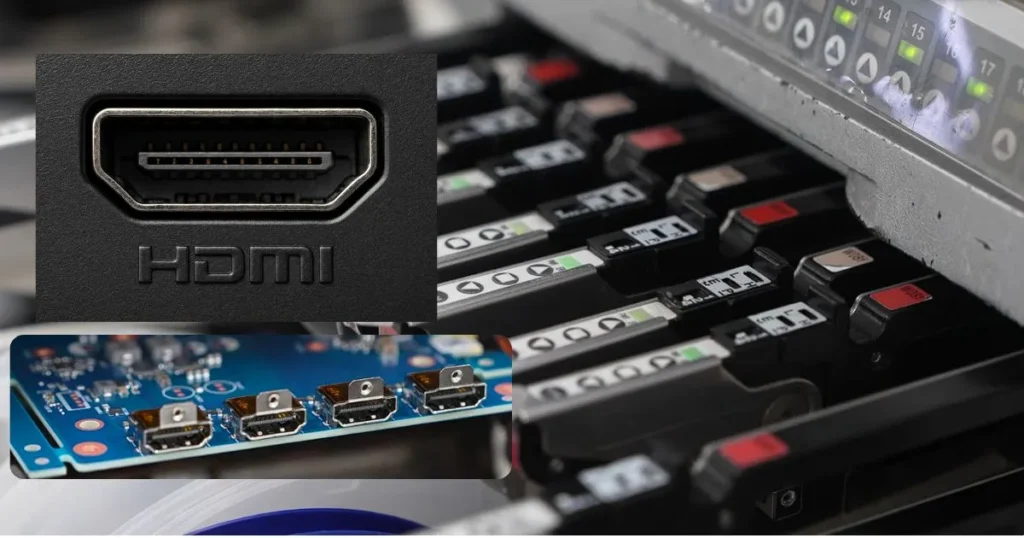
This insight, shared in a tour with Gamers Nexus, pulls back the curtain on the complex economics of building a graphics card, where even small components and standards fees add up to the final retail price.
Breaking Down the Port Cost: Licensing vs. Hardware
According to Sparkle’s representatives, the approximate $1 cost per HDMI port is largely attributed to licensing fees paid to the HDMI Licensing Administrator. The physical connector and basic protective circuitry themselves represent a smaller portion of that sum.
In contrast, the tour revealed that implementing DisplayPort is “much cheaper” for manufacturers. Unlike HDMI, DisplayPort is a royalty-free standard managed by VESA, which eliminates that specific licensing overhead. For a graphics card with multiple HDMI ports, like an entry-level model with four outputs, these fees can already add $4 or more to the Bill of Materials (BOM) before a single chip is mounted.
The Ripple Effect on Design and Future Standards
This cost difference isn’t just academic; it influences how board partners design their products and may shape future industry trends. The tour used Intel’s Arc Alchemist GPUs as an example, noting that some models required extra board-level components to achieve full HDMI 2.1 capability, adding further cost.
With the newer HDMI 2.2 standard still not seeing widespread adoption in monitors or GPUs, the revelation strengthens the argument for the industry to rally behind DisplayPort 2.1. DisplayPort 2.1 hardware already exists in monitors and cables today, offers immense bandwidth, and comes without the per-port licensing fee, making it a more cost-effective path forward for high-performance displays.
Also, Read
- NVIDIA May Prioritize 8GB RTX 5060 GPUs, Reducing Supply of Higher VRAM Models
- ASUS Sets Date – First AMD Ryzen AI 400 “Gorgon Point” Laptops Launch January 22
- Intel Core Ultra 9 290K Plus Leaks in Benchmark, Showing Small Performance Uplift
A Peek into Logistics: The $20 Air Freight Premium
The factory tour also provided a tangible figure for another hidden cost: global shipping. To get its Arc B570 and B580 cards to the U.S. market faster, Sparkle opts for air freight, which costs about $20 per card. This is a significant premium over the $5-7 per card cost of slower ocean freight, but reduces shipping time from a month to just a few days.
This logistical choice highlights the constant trade-offs manufacturers make between speed to market, inventory costs, and final product pricing, offering consumers a clearer picture of the myriad factors that determine what they pay for new hardware.