The Cost of Memory Drives Radeon GPU Prices Higher
If you’re planning to buy a new graphics card, your budget may need to stretch a little further. Following earlier industry reports of a blanket price hike, new information is providing more specific details. According to a report from Chinese outlet Board Channels, AMD has notified its board partners that upcoming Radeon graphics cards will see a price increase of approximately $20 for 8GB models and $40 for 16GB models.
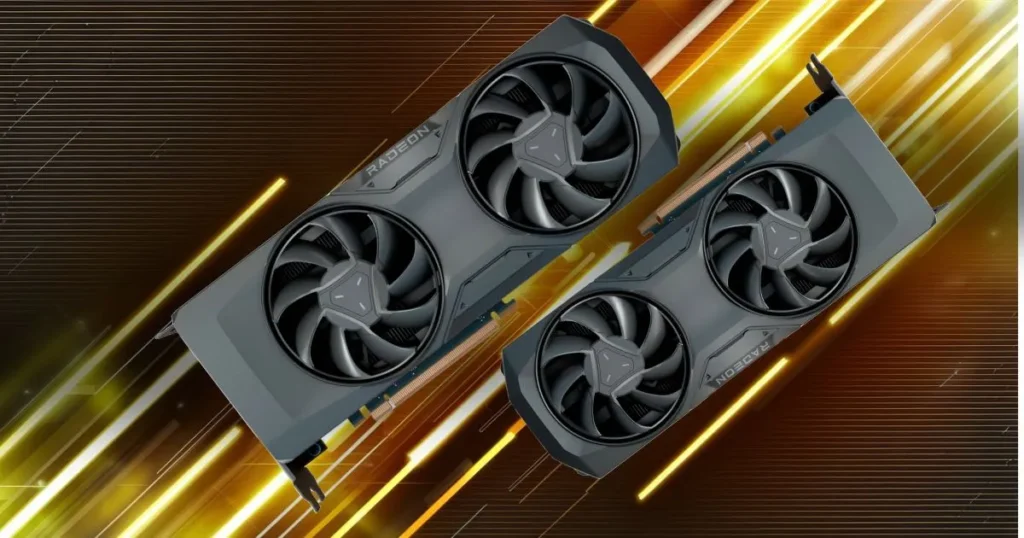
This move is a direct response to the continued surge in memory chip costs, which have skyrocketed due to massive demand from the AI industry. Since AMD sells its GPUs to partners in bundles that include the necessary memory, these increased component costs are being passed down the chain, ultimately affecting the price consumers pay at retail.
Connecting the Dots: From Percentages to Dollar Amounts
This new report adds concrete figures to a story that began earlier. Another industry source, UDN, had previously stated that AMD notified partners of a second price increase “across its entire product line,” estimating the rise to be at least 10%.
The $20/$40 increase aligns with that broader guidance. For a mid-range 8GB card around the $300 mark, a $20 increase is roughly a 6-7% hike. For a higher-end 16GB card priced near $600, a $40 increase equates to about 6-7% as well, potentially climbing higher for more expensive models to meet the “at least 10%” figure.
A Broader Trend of Rising Component Costs
This situation is part of a wider trend impacting the entire PC component market. The cost of DRAM and NAND flash memory (used in RAM and SSDs) has increased dramatically, with some reports noting price jumps of several hundred percent for certain modules. This affects not only graphics cards but also system memory and storage.
Separate rumors also suggest AMD may be preparing price adjustments for its Ryzen desktop CPUs. While the link to memory costs is less direct for CPUs, it points to an industry-wide period of inflation for PC hardware as manufacturers adjust to new component pricing.
Also, Read
- AMD Confirms FSR Redstone is RX 9000-Only, Features Will Vary by Game
- AMD Reportedly Planning to Increase Radeon Graphics Card Prices by at Least 10%
- AMD’s Next-Gen FSR Redstone Launches December 10, Exclusively for RX 9000 GPUs
For consumers, the message is becoming clear: the recent Black Friday deals may have been the local low point for prices. As new stock arrives in channels under new supply contracts, expect to pay more for your next GPU upgrade.
Source: boardchannels