Intel: Software Can Hide 10‑30% of Your CPU’s Gaming Performance
If you feel your expensive gaming CPU isn’t delivering the frame rates you expected, the problem might not be the hardware. According to Intel’s Robert Hallock, the gap between a processor’s potential and real‑world gaming performance is increasingly determined by software optimization – and the missing performance can be as high as 30%.
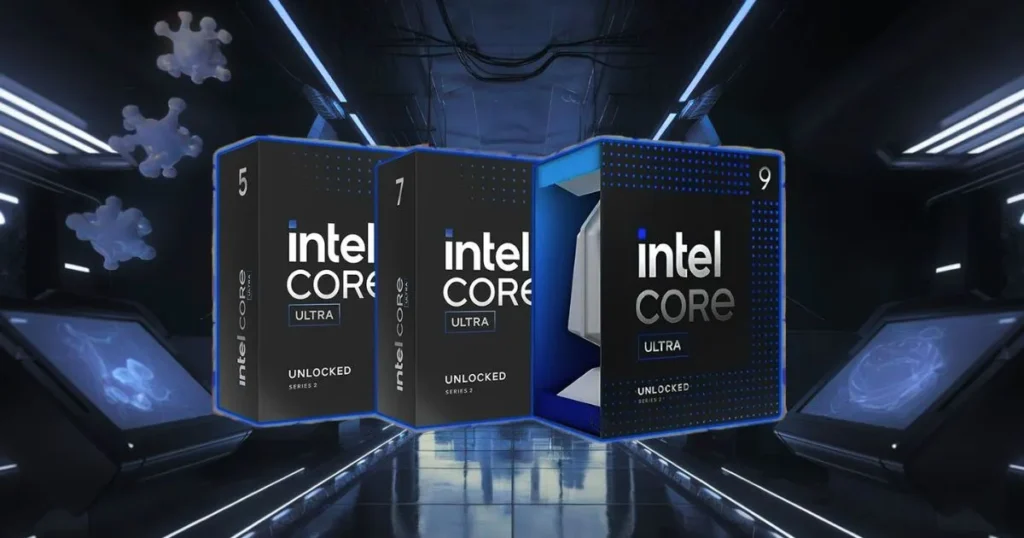
In an interview with PC Games Hardware, Hallock addressed a persistent topic among enthusiasts: the tendency to disable E‑cores on Intel’s hybrid CPUs to improve game performance. While some reviewers have reported better results with E‑cores turned off, Hallock argues that the E‑cores themselves are rarely the culprit.
“There were reviewers… who were observing faster performance with all the E‑cores turned off. They are virtually identical in performance… it’s about 1% difference,” Hallock said.
Instead, he points to a complex web of software factors: game engines, operating systems, drivers, firmware, and scheduling logic. When those components are not well‑coordinated, performance is left on the table.
Up to 30% Performance “Hidden”
Hallock placed that untapped potential in the range of 10% to 30% . He noted that many games are not optimised for a given CPU architecture – especially newer hybrid designs – and that simply throwing faster hardware at the problem is the wrong approach.
“What gamers have literally asked me to do is like, hey, don’t do this software thing. Just make faster hardware. And what they’re really asking me is, hey, just leave 20% performance behind. Seriously. That is not the kind of business I want to run.”
Intel has already acknowledged similar issues after the Core Ultra 200S (Arrow Lake) launch. In November 2024, Hallock said Intel had identified “multifactor issues at the OS level” and “BIOS level” that affected launch performance. The company has since rolled out platform updates, including the 200S Boost feature that raises fabric, die‑to‑die, and memory clocks on supported Z890 boards.
Also, Read
- AMD Ryzen 9 9950X3D2 Now on Sale at $899 – Dual 3D V-Cache, 200W TDP, But Not for Gamers
- Intel Nova Lake-S Cache Sizes Leak: Up to 288MB on Core Ultra 400DX Flagship
- GeForce RTX 3060 12GB Reportedly Returns in June as RTX 5050 9GB Gets Delayed
What This Means for Gamers
For now, the gaming CPU rankings remain unchanged. AMD’s Ryzen X3D processors (with 3D V‑Cache) are still the reference point in most benchmarks. Intel is working to close the gap through software updates, Thread Director improvements, and binary optimisation tools – but hardware alone won’t solve the problem.
The good news is that Intel is also developing its own cache‑heavy architecture, the bLLC series (Big Last Level Cache) for Nova Lake‑S, which is expected to compete directly with AMD’s X3D. That hardware, combined with better software, could change the landscape in 2027.
For now, Hallock’s message is clear: don’t disable your E‑cores expecting a magic boost. The real gains will come from optimised games, drivers, and operating systems – and Intel is betting heavily on that approach.
Source: wccftech, pcgameshardware