The Great Memory Shortage Shows Its First Cracks: DRAM Prices Finally Fall
For months, the PC hardware market has been battered by relentless DRAM price increases. Driven by AI data centers consuming massive quantities of memory, prices for DDR4 and DDR5 modules soared—often doubling or tripling in a single year. But after eight consecutive months of gains, the market appears to be turning.
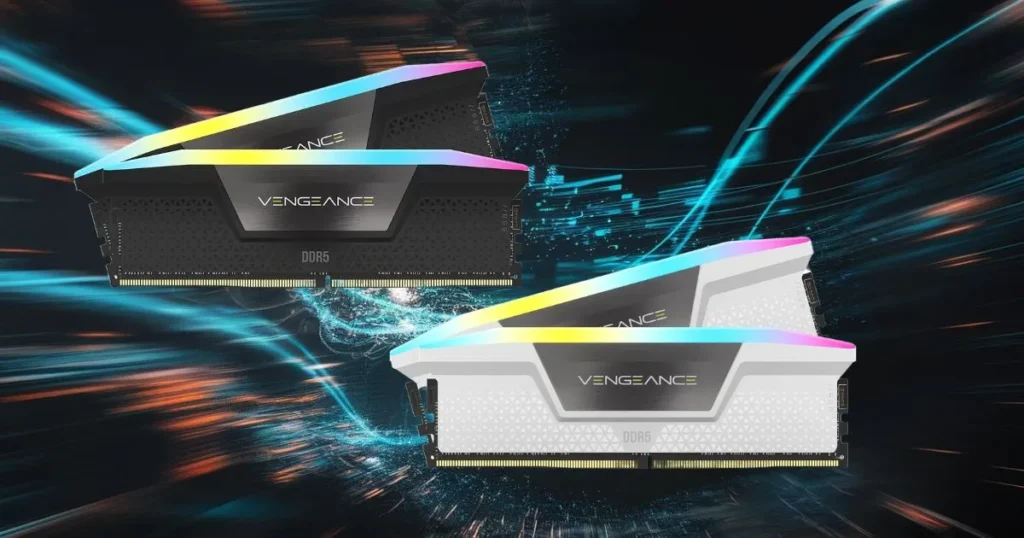
According to TrendForce, DDR5 retail prices in Germany posted their first monthly decline in March, breaking a streak that began in mid-2025. In the United States, some memory kits have already dropped more than 20% from their recent peaks. But the most dramatic signal comes from China, where a widely shared market report claimed that some 16GB DDR4 sticks fell by more than RMB 100 (approximately $14) in a single day.
For consumers who have been delaying upgrades or paying exorbitant prices for basic memory, the shift is a long-awaited relief.
What Changed?
The run-up in DRAM prices was largely driven by expectations that AI companies—most notably OpenAI—would absorb massive amounts of supply. Reports suggested OpenAI had signed letters of intent tied to as many as 900,000 wafers per month, pushing expectations of a sustained supply crunch to extreme levels.
Now, that demand narrative appears to be cooling. A key catalyst appears to be Google’s TurboQuant announcement—a new compression method for AI workloads that reduces the memory needed for LLM cache data by at least 50%. While this doesn’t eliminate DRAM demand overnight, it gives investors and manufacturers a reason to question how long memory prices can remain at peak levels.
Stock Market Reacts Faster Than Retail
The shift in sentiment has hit memory stocks hard. Micron fell 9.9% on Monday and is now nearly 30% below its March 18 high. In South Korea, Samsung Electronics and SK hynix have each dropped more than 20% through March, with Tuesday alone taking another 5.2% off Samsung and 7.6% off SK hynix.
It’s worth noting that these stocks are still significantly higher than they were a few months ago, but the rapid selloff suggests investors are recalibrating their expectations for sustained high prices.
Also, Read
- Ryzen AI 7 445 Outperformed by Ryzen AI 5 340 – How AMD’s Mobile Naming Got Confusing
- AMD Slashes Ryzen 5 9600X to $182, Undercutting Intel’s $199 Core Ultra 5 250K Plus
- AMD Marks AM4’s 10th Anniversary, Says AM5 Will Follow the Same Long-Life Philosophy
What This Means for Consumers
The price drops are not yet universal. DDR5 modules in many regions remain elevated, and the market is still far from the bargain pricing seen before the AI-driven surge. But the trend is unmistakable: after a year of relentless increases, DRAM prices are finally moving in the right direction.
For PC builders, this could mean better deals in the coming months—provided the AI demand narrative doesn’t reignite. For now, the first cracks in the memory shortage are visible.
Source: trendforce, wsj, research.google