A Decade of AM4: AMD Proves Platform Longevity Is More Than a Promise
Ten years ago, AMD introduced the AM4 socket. What launched in 2016 as a foundation for the company’s Zen architecture has since become one of the most remarkable success stories in desktop PC history—a platform that supported not one, not two, but five distinct CPU generations (Zen, Zen+, Zen 2, Zen 3, and even Zen 3-based refreshes). And in 2026, it’s still alive.
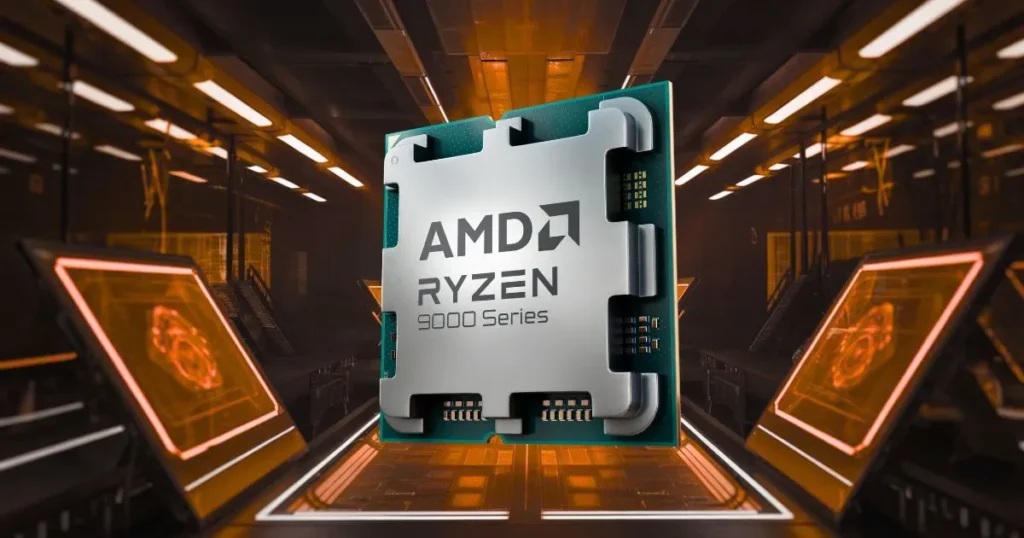
To mark the milestone, AMD is using the occasion to deliver a message to PC builders: AM5 will follow the same philosophy.
“A Commitment, Not Just Marketing”
In comments tied to the recent Ryzen 9 9950X3D2 Dual Edition announcement, AMD Senior Vice President and General Manager of Computing and Graphics, Jack Huynh, emphasized that platform longevity is a core design principle rather than a fleeting marketing slogan.
“With AM4, we built a platform that made it easy for customers to upgrade their PC across multiple generations of processors,” Huynh said. “And this year, we celebrate its ten-year anniversary, supported by an expansive line of processors powering millions of systems around the world.”
He continued: “That same philosophy continues with socket AM5. Long-term platform support isn’t just a marketing message for us, it’s a commitment to protecting our customer’s investments and giving enthusiasts a platform that can grow with them.”
The AM4 Legacy
AM4’s longevity stands in stark contrast to the typical desktop socket lifecycle. While competing platforms often limited users to two generations before requiring a motherboard swap, AM4 owners could drop in a new CPU years after their initial build—sometimes transforming a budget system into a high-end gaming machine with nothing more than a BIOS update and a processor swap.
Even in 2026, AM4 is not fully dormant. The recent appearance of the Ryzen 5 5500X3D at a UK retailer—a processor AMD had previously treated as a regional part—demonstrates that the platform continues to see fresh retail movement a full decade after its debut. For budget-conscious builders, AM4 remains a viable entry point.
What This Means for AM5
AMD has already confirmed that AM5 will support Zen 4, Zen 5, and the upcoming Zen 6 architectures. The socket debuted with Ryzen 7000 (Zen 4) in 2022, and current Ryzen 9000 (Zen 5) processors are drop-in compatible with existing 600-series and 800-series motherboards. When Zen 6 arrives—expected in the 2027 timeframe—AM5 owners should be able to upgrade without replacing their boards.
Whether AMD will extend AM5 support to Zen 7 or beyond remains an open question. Future standards like DDR6 memory and next-generation PCIe could eventually push the platform toward a natural endpoint. But if AM4’s 10-year run is any indication, current AM5 users may be looking at years of upgrade options ahead.
The Competitive Contrast
The message is particularly pointed given Intel’s history with socket longevity. While Intel has recently signaled openness to longer support cycles—with the upcoming LGA-1954 socket rumored to support multiple generations—AMD’s track record gives it a significant advantage in the platform stability conversation. For builders who value the ability to upgrade a system over time without replacing core components, AM5’s long-term roadmap is a compelling argument.
Also, Read
- Gamer Hits Jackpot: RTX 5060 Ti Found at Walmart for Just $80
- AMD Officially Announces Ryzen 9 9950X3D2 Dual Edition with 208MB Cache, Launching April 22
- Amazon Slashes Ryzen 9 9900X3D to $449 and Ryzen 9 7900X to $268—Both at All-Time Lows
Ten years after AM4’s debut, the platform still appears in retail listings. That kind of longevity is rare in consumer hardware, and AMD is making clear it intends to replicate that success with AM5. For anyone building a PC today, the message is simple: the motherboard you buy now may still be relevant years from now.
Source: AMD