“It Killed Two”: Australian User Reports ASUS Motherboard Destroying Ryzen 9800X3D and Replacement 9850X3D
A troubling story is circulating in the PC hardware community, reigniting concerns about compatibility between high-end Ryzen processors and certain AM5 motherboards. A Reddit user from Australia claims that their ASUS TUF X870-P WiFi motherboard has now been responsible for the failure of two different Ryzen X3D chips—including a brand new Ryzen 9850X3D that was meant to replace the first.
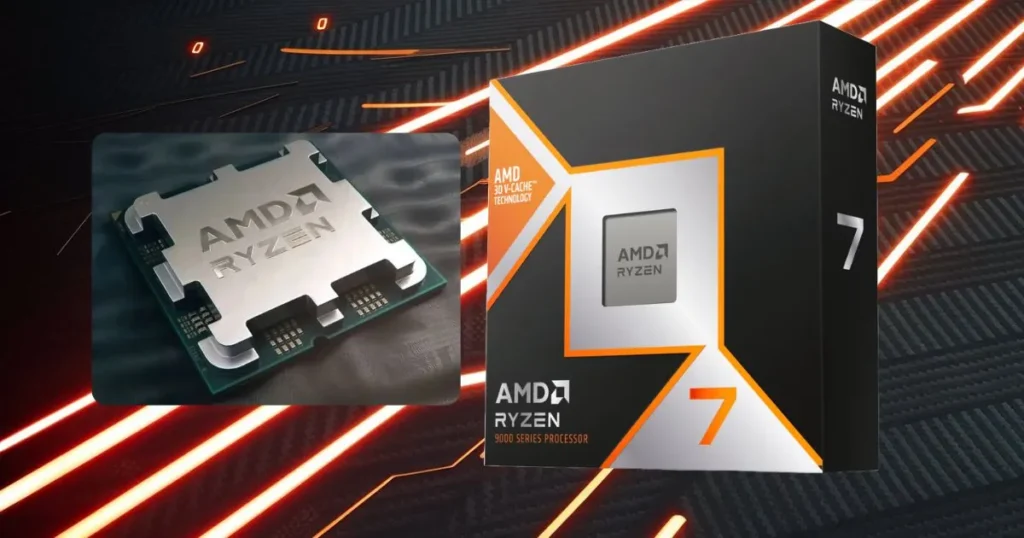
The user, posting under the handle “UniverseWill Decide,” detailed a saga that began with a standard Ryzen 7 9800X3D build. The system reportedly ran smoothly for approximately one week before encountering intermittent freezing, both during idle periods and while attempting to boot into Windows. The user ran diagnostics, noting that an OCCT memory test passed without issue, but stability problems emerged specifically during AVX2-heavy testing.
Still within Amazon’s return window, the user returned the 9800X3D and decided to rebuild the system from scratch. This time, they invested in a Ryzen 9850X3D, described as a launch-day local purchase. The expectation was that a fresh CPU would resolve any lingering issues, potentially pointing to a defective original chip.
It did not.
According to the post, the replacement processor also ceased functioning after a few weeks of use. The user now finds themselves with a dead second CPU and a motherboard they increasingly suspect is the common denominator.
BIOS Voltage Settings Under Scrutiny
Significantly, the user is not placing the blame squarely on AMD. Instead, they point toward firmware behavior, specifically the voltage settings applied by the motherboard’s BIOS. This aligns with broader concerns that have circulated in recent months regarding Ryzen 9000-series X3D processors and their interaction with certain motherboard vendor implementations.
The user also noted that they own an ASUS TUF GeForce RTX 5090 and had bought into the TUF lineup specifically expecting long-term reliability and consistent quality. The experience has clearly shaken that confidence.
ASUS’s Previous Statement and Silence Since
This latest report lands against a backdrop of growing scrutiny on ASUS’s AM5 motherboard behavior. On January 23, 2026, ASUS issued a public statement acknowledging reports of Ryzen 9800X3D-related issues involving its 800-series motherboards. The company stated it was aware of the situation and had initiated an internal review, including compatibility and performance checks conducted in cooperation with AMD.
ASUS advised all owners of affected motherboards to update to the latest BIOS using EZ Flash or BIOS Flashback, and directed customers experiencing problems to contact support.
Unfortunately for concerned users, there has been no public update from ASUS since that January statement. The lack of further communication has left many in the community wondering whether the root cause has been identified, whether fixes are in development, or whether the issue remains under investigation without resolution.
ASRock Took a Different Path
It is important to note that ASUS is not the only motherboard vendor facing reports of dead Ryzen CPUs. If anything, ASRock appears to have been hit harder based purely on the volume of reports surfacing on forums like Reddit.
However, ASRock’s response has differed meaningfully. The company has released firmware updates that it claims may bring CPUs that had trouble booting back to life. While this will not help processors that are already completely dead and fail to function in any motherboard, it suggests that ASRock believes at least some of the issues were firmware-related and potentially recoverable.
ASUS, by contrast, has not released similar updates or made claims about reviving affected chips.
Context and Caveats
As with all user-reported hardware failures, caution is warranted before drawing broad conclusions. Single data points, even compelling ones, do not constitute a pattern. The user’s system includes high-end components drawing significant power, and the interplay between the RTX 5090, the motherboard’s power delivery, and the Ryzen chips could involve variables not yet understood.
Additionally, the Ryzen 9850X3D is a newly launched product. If there are compatibility quirks between this fresh silicon and existing motherboard BIOS revisions, early adopters are often the first to encounter them.
Nevertheless, the fact that two separate processors failed in the same motherboard under similar circumstances is difficult to dismiss as pure coincidence. The user’s suspicion that motherboard voltage behavior is the culprit is plausible, given that excessive or unstable voltage is a known cause of premature CPU degradation and failure.
Also, Read
- Intel Unleashes XeSS 3 Multi-Frame Generation Across Entire Arc GPU Lineup, Including Integrated Graphics
- Intel’s Next-Gen CPU Leak – Nova Lake-S “K” Chip May Consume Over 700 Watts
- NVIDIA RTX 5090 Ti Reportedly Developing New Ultimate GPU – A 5090 Ti or Titan for Late 2026
What Affected Users Should Do
For anyone currently running a Ryzen 9000-series X3D processor on an ASUS 800-series motherboard, the safest course remains:
- Check for the latest BIOS updates on the motherboard support page
- Update via BIOS Flashback if possible to minimize variables
- Monitor system stability, particularly during idle states and boot sequences
- If issues arise, document them thoroughly and contact ASUS support immediately
For those considering new builds with Ryzen X3D chips, it may be worth monitoring forum discussions and waiting for additional vendor statements before finalizing component choices. The situation remains fluid, and the absence of clear communication from ASUS since January leaves an uncomfortable information gap.
As always in the PC hardware community, shared experiences help identify problems and pressure vendors toward solutions. The Australian user’s story, while anecdotal, adds to a growing body of reports that warrant attention from both motherboard manufacturers and AMD.
Source: Reddit