In a significant shift for the GPU market, new reporting suggests NVIDIA’s roadmap for consumer graphics cards is facing substantial delays. According to a report from The Information, NVIDIA has formally delayed its anticipated GeForce RTX 50 “SUPER” refresh and is now potentially pushing the mass production of its next-generation RTX 60 series into 2028. The primary driver, as cited by the report, is the ongoing global memory shortage and the company’s strategic decision to prioritize silicon and memory supply for its vastly more lucrative data center AI chip business.
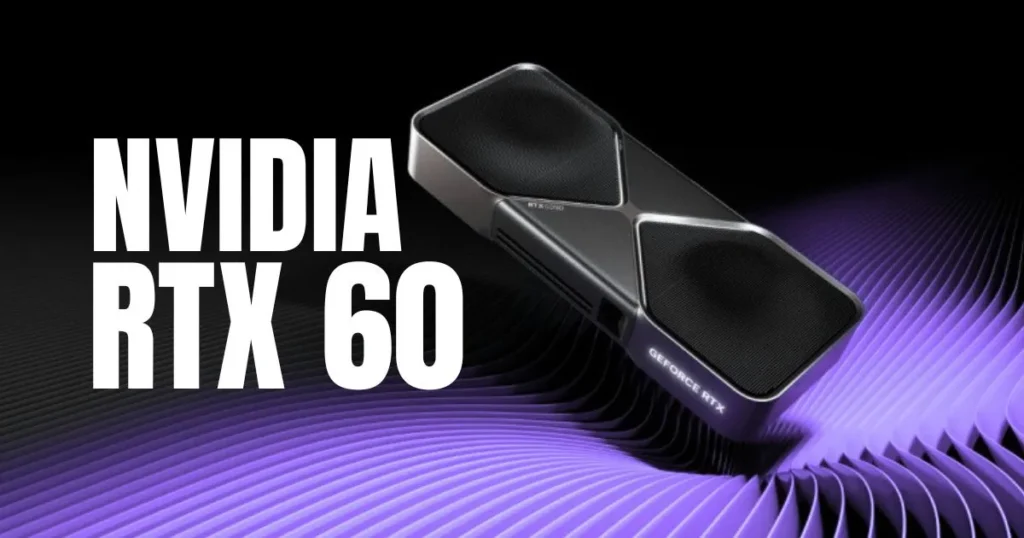
If accurate, these delays would create an unusually long gap between GPU generations, leaving PC gamers with fewer new options amid already constrained supply and high prices.
The Delays: From SUPER Refresh to Next-Gen
The report, citing individuals familiar with NVIDIA’s plans, states that managers decided in December to put the RTX 50 SUPER series on hold indefinitely. This aligns with earlier leaks from CES 2026, where board partners expressed frustration over the canceled launch.
More notably, the report claims the ripple effect extends to the next architecture. The GeForce RTX 60 series, expected by many in 2027, may now see its mass production timeline slide. Originally planned for late 2027, production could now slip into 2028, potentially pushing consumer availability even further out.
The Root Cause: AI Demand Consumes the Supply Chain
The rationale provided is consistent with market realities. The explosive demand for AI accelerator chips like NVIDIA’s H100, Blackwell, and the upcoming Rubin platform consumes advanced manufacturing capacity and, critically, high-bandwidth memory (HBM and GDDR). Every wafer and memory module allocated to AI chips is one not used for gaming GPUs.
Faced with this choice, NVIDIA’s business logic is clear: prioritize the segment with exponentially higher profit margins. This has already manifested in reduced allocations and shifted priorities within the current RTX 50 series, making cards like the RTX 5070 Ti scarce and expensive.
Also, Read
- NVIDIA’s Q1 GPU Strategy – 75% of RTX 50 Supply to Focus on 8GB and 12GB Models
- NVIDIA’s RTX 5070 Ti Now Costs More Than an RTX 5080’s MSRP in Chaotic Market
- Buyer Allegedly Receives Rocks, Not an RTX 5090, in $3,000 Amazon Resale Order
Implications for the GPU Market and Gamers
A delayed roadmap would have profound effects:
- Extended Product Cycles: The current RTX 50 series would need to remain competitive for a longer period, likely maintaining high prices, especially for high-VRAM models.
- Market Stagnation: Without a SUPER refresh or next-gen launch, innovation and price competition in the high-end consumer GPU space could stagnate for two years or more.
- Opportunity for Competitors: This could provide a crucial window for AMD and Intel to gain market share if they can execute competitive and available product launches in 2026-2027.
For gamers, the outlook is challenging. The report underscores that the “AI boom” is not just a separate enterprise trend but a force actively reshaping the consumer hardware landscape, diverting resources and elongating upgrade cycles for everyday PC builders.
Source: Reddit, theinformation