The wave of price increases sweeping the PC hardware market is now reaching AMD GPUs. According to new reports from the supply chain, AMD’s add-in-board (AIB) partners have already implemented a 5% to 10% price increase on many Radeon models in January 2026, with another potential hike possible in February or March. Alongside these cost adjustments, partners are reportedly shifting their production strategy to prioritize 8GB graphics card models in response to persistently high memory chip costs.
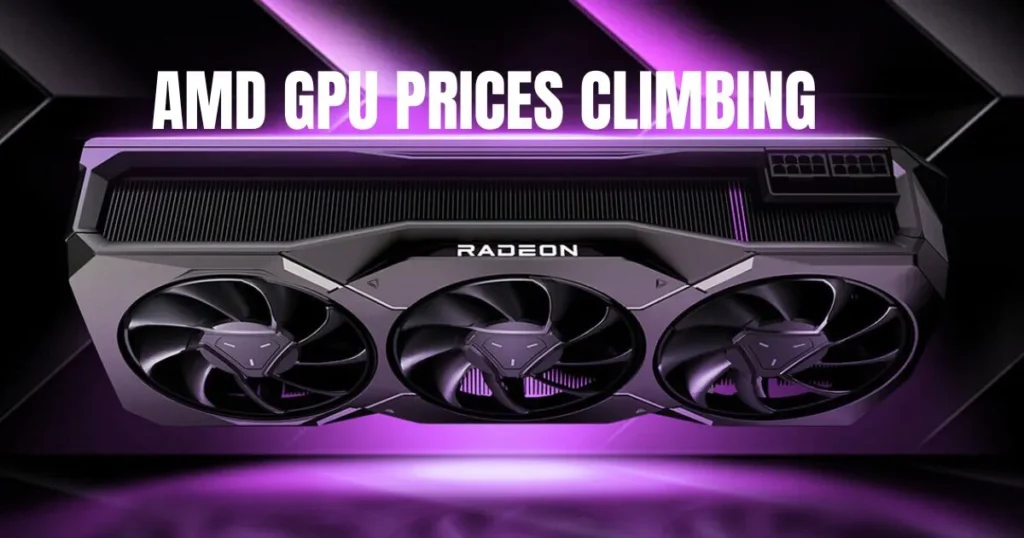
This move mirrors similar strategic pivots by competitors and signals that the memory shortage is forcing manufacturers to reshape their product lines around affordability and component availability.
The AMD GPU Pricing Pressure: Multiple Rounds of Increases
The report from Board Channels indicates that the first wave of increases, translating to roughly $40 or more on some cards, has already reached distributors. This has prompted some channel partners to stock up in anticipation of further adjustments, potentially leading to uneven availability as sellers hold inventory.
The stated goal is to align Radeon pricing more closely with comparable NVIDIA GeForce models, which would narrow the traditional price gap between the two brands. While neither AMD nor its partners have publicly commented, the stealthy nature of these increases—often reflected in distributor cost sheets rather than official MSRP changes—is typical of how component cost inflation reaches the retail market.
The Strategic Shift: More 8GB, Less 16GB
Perhaps more significant than the price hike is the reported change in production focus. For markets like mainland China, partners are said to be directing more production capacity toward 8GB models like the Radeon RX 9060 XT 8GB and RX 7650 GRE.
Conversely, output for some 16GB cards is being reduced, with focus retained only on specific high-end models like the Radeon RX 9060 XT 16GB and the flagship RX 9070 XT. This strategy is a direct response to the economics of the memory crisis: building cards with less VRAM is cheaper, helping to manage bill-of-materials costs and maintain some level of profit margin.
Global Implications and Market Reality
While these reports originate from the Chinese channel, the trends they describe have global implications. The PC component market is interconnected, and strategies born from component shortages in one region often spread.
Also, Read
- Multiple Ryzen 9000 CPUs Reportedly Fail on ASRock AM5 Motherboards in Single Day
- CPU Reliability Report – AMD Ryzen 9000 and Intel Core Ultra 200 Show Nearly Identical Failure Rates
- AMD’s New Ryzen 7 9850X3D Arrives at $499, Pushes Older Model to a More Attractive Price
This shift also validates earlier rumors and user observations. The Radeon RX 9070 XT, for example, has rarely been seen at its original MSRP in the U.S. market, indicating that inflationary pressures have been building for some time. For consumers, the message is clear: the era of consistently affordable, high-VRAM graphics cards is on pause. The market is adapting to memory scarcity by pushing volume toward configurations that are less expensive to produce, even if it means some enthusiasts’ preferences for future-proof memory capacities are sidelined.
Source: boardchannels