In a surprising turn for the PC hardware market, a distinct DDR3 Motherboard backward trend is emerging. While the industry relentlessly pushes toward DDR5 memory and new platforms, a significant segment of budget-conscious builders is moving in the opposite direction. According to a new report from the Chinese supply chain, sales of DDR3 motherboards have jumped by 200% to 300% or more, as buyers seek refuge from the high cost of modern components.
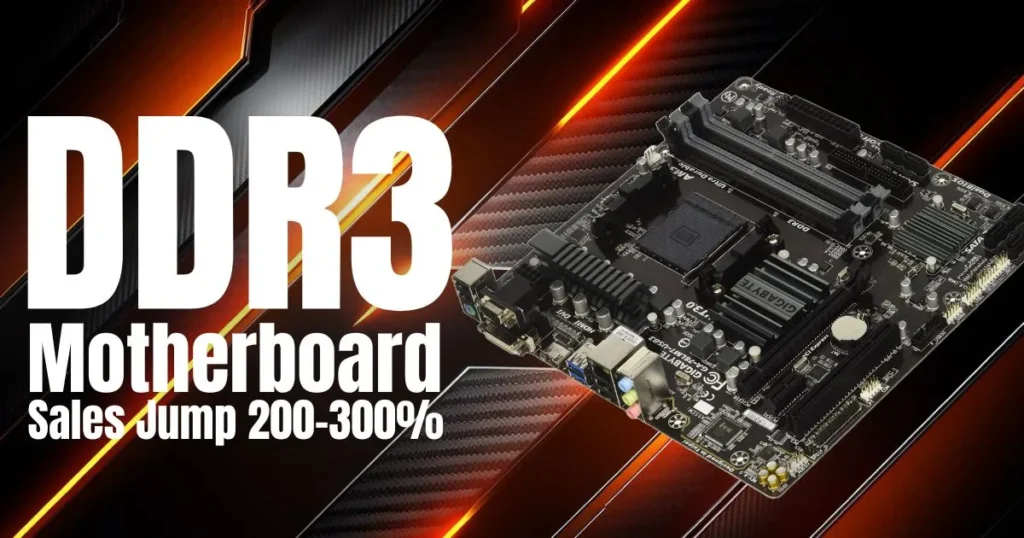
This resurgence highlights the severe price pressures in the DIY market and demonstrates how economic realities can temporarily reverse the usual forward march of technology adoption.
The Driving Force: Soaring Costs of Modern Memory
The report from Board Channels notes that DDR5 motherboard sales have fallen sharply, and even the recently popular DDR4 platform is seeing weakened demand. The primary culprit is cost. DDR5 platforms are inherently more expensive to design and validate due to stricter signal requirements and on-module power management.
Meanwhile, DDR4 is losing its status as a “safe harbor.” With new CPU platforms from Intel and AMD dropping support for DDR4, remaining supply is tightening, causing prices to rise. This price squeeze on both current and previous-generation memory has created a vacuum that decade-old technology is now filling.
The Appeal of the Retro Budget Build
For builders with tight budgets, the math is compelling. Bundles pairing DDR3 motherboards with Intel’s 6th to 9th Generation Core processors are reportedly selling very well. These platforms, while outdated, can still handle everyday computing, light gaming, and office tasks at a fraction of the cost of a new DDR5 system.
RAM Prices
A key advantage is the abundant supply of cheap used DDR3 memory, widely available from decommissioned office PCs. Furthermore, the trend is bolstered by the popularity of specialized, budget Chinese X99 motherboards. These boards, which support older Xeon server CPUs, offer enthusiasts a path to high core counts and plentiful I/O using inexpensive, surplus DDR3 memory, creating a potent ultra-budget workstation or gaming rig.
A Market Moving in Two Directions
This trend doesn’t mean the mainstream market is abandoning DDR5. Flagship and high-performance builds will continue to adopt the latest technology. However, the explosive growth in DDR3 sales signals a growing bifurcation in the PC market.
Also, Read
- ASUS Sets Date – First AMD Ryzen AI 400 “Gorgon Point” Laptops Launch January 22
- Micron Sparks Backlash, Claims Ending Crucial Brand Still “Helps Consumers”
- Warning for PC Builders – Power Supplies (PSUs) and CPU Coolers Could Get More Expensive
On one end, enthusiasts pursue cutting-edge performance regardless of cost. On the other, a large group of practical buyers is being priced out and is finding clever, cost-effective solutions in hardware generations past. This “backwards” movement is a direct market correction, proving that for many, value and functionality ultimately trump having the very latest generation.
Source: boardchannels