A surprising new leak points to NVIDIA’s long-term roadmap, suggesting the next generation of GeForce gaming graphics cards will make a significant architectural leap. According to renowned industry leaker Kopite7kimi, the future GeForce RTX 60 series will be powered by NVIDIA’s GR200-series “Rubin” GPUs.
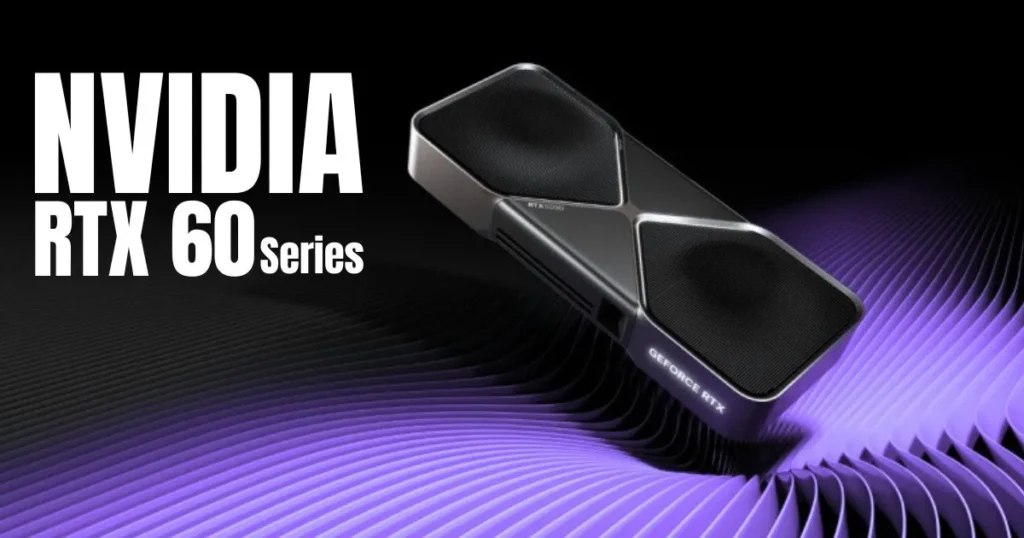
This news is notable because Rubin is the architecture NVIDIA just announced at CES 2026 for its next wave of data center AI processors. If accurate, this would mean the consumer gaming lineup would directly benefit from the same core technology designed for the most demanding computing tasks, potentially bringing major efficiency and performance gains to PC gamers.
Connecting Data Center Power to Gaming
Until now, it was unclear if or when the Rubin design would trickle down to GeForce cards. NVIDIA’s recent focus has been on its colossal data center products like the Vera Rubin NVL72 supercomputing rack. The leak specifies that the GR212 GPU powering those professional products is not the gaming variant, but confirms that the related GR200 series (with models like GR202 and GR203) is destined for the GeForce lineup.
This pattern mirrors previous cycles where innovations from architectures like Volta and Ampere first debuted in professional settings before being adapted for gamers, but this time the naming suggests an even closer technological tie.
What This Means for Timeline and Performance
The mention of Rubin for GeForce also indirectly confirms widespread speculation that NVIDIA’s expected mid-cycle refresh—an RTX 50 SUPER series—has been delayed or possibly canceled. With the company focusing on a full next-generation launch, the RTX 60 series is unlikely to arrive before 2027.
It's NOT a giant for gaming. It is GR212. As you see, GR100 is based on two GR102, looks the same as GB100. https://t.co/4Pgdjv6Wt6
— kopite7kimi (@kopite7kimi) January 7, 2026
While detailed specs are pure speculation, moving to Rubin should involve a more advanced manufacturing process. This typically allows NVIDIA to either increase transistor density for more features in a similar-sized chip or improve power efficiency. Given the massive size of the current flagship GB202 die (over 750mm²) in the RTX 5090, a focus on efficiency gains might be a priority for the next generation.
A Strategic Architectural Jump
By potentially aligning the GeForce RTX 60 series with Rubin, NVIDIA would be executing a clean architectural jump, skipping a “SUPER” refresh of the current Blackwell generation. This strategy suggests confidence in its ability to bring its latest silicon to the broader market and could position the RTX 60 series for a substantial performance-per-watt improvement over the RTX 50 series, leveraging all the lessons learned from designing for trillion-parameter AI models.
Also, Read
- NVIDIA Unveils DLSS 4.5 – 6X Frame Generation and AI Image Overhaul Launching in 2026
- NVIDIA Unveils Rubin AI Platform: 72-GPU Super Rack, New Vera CPU, and 5x Blackwell Performance
- Intel’s GPU Comeback? Leak Hints at Powerful Arc B770 “Battlemage” Launch Imminent
For gamers, this leak paints a picture of a potentially exciting, albeit distant, future upgrade, where the architectural bones of the world’s most powerful AI computers eventually power the world’s most advanced gaming GPUs.
Source: kopite7kimi